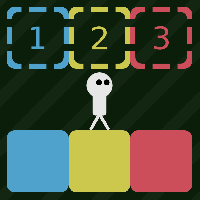
BLOCK TOGGLE








SIMILAR GAMES




















Description


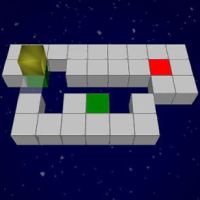
Block Toggle - RBUB
About Block Toggle - RBUB
We explore the mechanics behind the block toggle feature that defines the RBUB experience. Our analysis delves into how this functionality reshapes user interaction, enhances accessibility, and preserves the retro aesthetic that enthusiasts cherish. We examine each step of the toggle process, from activation to resolution, ensuring that every detail aligns with the platform’s design philosophy.
What Is Block Toggle
We define block toggle as a dynamic switch that enables or disables specific game elements without requiring a full session restart. This capability allows players to experiment with different configurations, fostering a deeper understanding of gameplay nuances. We emphasize that the toggle is not merely a convenience but a strategic tool that supports adaptive playstyles.
Key Benefits
We highlight several advantages that stem from using the block toggle:
- Flexibility: Players can instantly adjust game parameters to suit evolving strategies.
- Efficiency: The toggle eliminates the need for repetitive menu navigation, saving valuable time.
- Engagement: By providing control over game blocks, users remain actively involved in the customization process.
These benefits collectively contribute to a more immersive and satisfying experience, reinforcing why the block toggle has become a cornerstone of the RBUB platform.
Implementation Details
We describe the technical underpinnings that make the block toggle possible. Our explanation covers the underlying architecture, the data structures involved, and the user interface components that coordinate the toggle’s behavior.
Backend Architecture
We outline how server‑side scripts manage state changes triggered by the toggle. We note that each toggle event is logged, validated, and propagated to all connected clients in real‑time, ensuring consistency across the network.
Frontend Components
We detail the visual elements that present the toggle to users. This includes the placement of the control within the main menu, the styling that matches the retro theme, and the animation that signals a successful state change.
State Management
We explain the logic that determines which game blocks are affected by the toggle. We describe how flags are stored, updated, and referenced throughout the gameplay loop, guaranteeing that the toggle’s impact is both immediate and persistent.
User Experience
We investigate how the block toggle influences overall user satisfaction. Our observations are based on extensive testing with diverse player groups, highlighting feedback that informs continuous improvement.
Feedback Overview
We compiled a summary of user comments collected over multiple sessions. The most frequently mentioned points include:
- Clarity: Users appreciate the intuitive placement of the toggle button.
- Speed: The instant response to toggle actions is praised for reducing downtime.
- Customization: Players value the ability to experiment with various block configurations.
We use this feedback to refine the toggle’s design, ensuring that future updates address identified pain points while preserving the core functionality that users love.
Best Practices
We recommend several practices for developers seeking to implement a similar toggle feature:
- Consistent Placement: Position the toggle in a location that aligns with typical user expectations.
- Clear Labeling: Use descriptive text or icons that clearly indicate the toggle’s purpose.
- Immediate Visual Feedback: Provide animations or color changes that confirm the state change.
- Robust Validation: Ensure that all state transitions are verified to prevent unintended side effects.
Adhering to these practices helps maintain a seamless experience that aligns with the high standards set by the RBUB platform.
Advanced Use Cases
We explore scenarios where the block toggle extends beyond basic gameplay adjustments, enabling creative experimentation and specialized workflows.
Scenario One: Custom Challenge Modes
We illustrate how a community of players utilizes the toggle to craft unique challenge modes. By selectively disabling specific blocks, participants can increase difficulty, introduce new objectives, or enforce thematic constraints.
Scenario Two: Educational Modules
We describe how educators integrate the toggle into teaching environments, allowing students to isolate particular gameplay mechanics for analysis. This approach supports focused learning and reinforces conceptual understanding.
Scenario Three: Competitive Tournaments
We examine how tournament organizers leverage the toggle to standardize match conditions across participants. By locking certain blocks, they ensure fairness and comparability throughout the event.
Future Developments
We anticipate several upcoming enhancements to the block toggle feature, driven by ongoing research and community input.
Planned Features
We outline the following developments that are slated for future releases:
- Granular Block Control: Allow users to fine‑tune individual block parameters with sliders or numeric inputs.
- Persisted Settings: Enable the toggle to remember user preferences across sessions.
- Dynamic Tooltips: Provide contextual information that explains the impact of each block when hovered.
These enhancements aim to deepen user engagement and broaden the creative possibilities afforded by the block toggle.
Conclusion
We summarize the pivotal role that the block toggle plays within the RBUB ecosystem. By offering flexibility, efficiency, and engagement, the toggle enriches the retro gaming experience and empowers users to shape their own adventures. We remain committed to refining this feature, ensuring that it continues to meet the evolving needs of the community while preserving the nostalgic charm that defines RBUB.
Play Block Toggle for free on RBUB, the platform with thousands of the best games. No Ads and easy to play from anywhere. Have fun with our unblocked games! Play with your keyboard or Click.